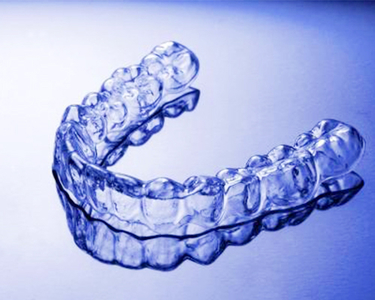
THERMOPLASTIC ELASTOMERS are polymers with mechanical feature mainly related to the softness (with different hardness values that go from Shore A to Shore D) and the dynamic properties even in different environmental or working special conditions.
When buying elastomeric material to seal a joint many people go straight for neoprene gaskets. Neoprene works well in many applications, but there are cases where other materials will perform better.
Human factors are a big reason why designers love TPEs. Human factors is defined as the study of how people interact physically and psychologically with their environment, products and services.
SBS Modified Bitumen Roofing Systems are popular choices for low-slope commercial, industrial and institutional buildings when an asphalt system is desired. In addition to providing beauty, affordability and reliability, these systems are trusted to perform exceptionally well against extreme weather conditions.
Sealants and adhesives in the construction industry are often used to secure joints or connections in a building in order to assist with weatherproofing, and to prevent the loss of heat and air conditioning through seams and joints contained within the property.
Medical device manufacturers are turning to thermoplastic elastomers (TPEs) for applications that require flexibility
Technically known by the acronym EPDM, ethylene propylene dieme is a synthetic rubber, a pliable elastomer that’s equipped with a long list of features and functions. The material is particularly adept at defeating environmental extremes, a fact that categorizes the rubber as an ideal weather sealant.
The global thermoplastic elastomer (TPE) market is expected to register a CAGR of 6.24% during 2018 to 2023 (the forecast period). Asia-Pacific was the largest market in 2017, accounting to around 47% of the global market share.
Manufacturers of major appliances and their components know the value of thermoplastic elastomers (TPEs): They provide rubber-like elasticity without the design and processing limitations of rubber, and offer performance advantages over flexible PVC.
Thermoplastic elastomers (TPEs) are a class of copolymers (typically a mixture of rubber and plastic) that contain materials with both elastomeric and thermoplastic properties.