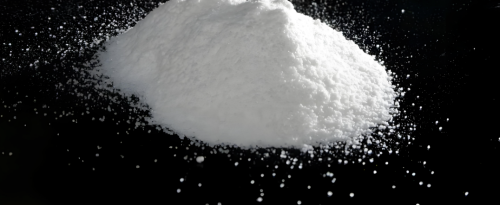
I. Physical Property Differences Between SEBS and SEPS 1. Molecular structure ·SEBS is a linear terpolymers with styrene as the terminal block and ethylene-butene copolymer as the middle elastomer block. ·SEPS is also a linear terpolymers, with polystyrene as the terminal segment and the middle elastic block is ethylene-propylene copolymer obtained by hydrogenation of polyisoprene. 2. Core Property Differences Hydrogenated polyisoprene (the intermediate block of SEPS) features shorter methyl unit chains and remains amorphous, whereas hydrogenated polybutadiene (the intermediate block of SEBS) exhibits partial crystallinity. The amorphous nature of the EP rubber segment (SEPS intermediate block) results in SEPS being softer than partially crystalline SEBS, with superior elasticity and hysteresis behavior. When oil is used as a plasticizer for the rubber segment, SEPS-based thermoplastic elastomers demonstrate enhanced flexibility. The inherent properties of hydrogenated polyisoprene polymers endow SEPS-based styrene thermoplastic elastomers with exceptional flexibility and high elasticity. Furthermore, SEPS exhibits superior properties compared to SEBS, including: excellent mechanical properties, good weather resistance, outstanding low-temperature performance, excellent electrical insulation, exceptional heat resistance, superior chemical corrosion resistance, and good compatibility with polyolefins and styrene-containing polymers. II. Differences in Application Between SEBS and SEPS 1. Application Fields of SEPS SEPS thermoplastic rubber can be used as an adhesive, sealant, coating, rubber-like compound (as a substitute for vulcanized rubber), plastic modifier, compatibilizer, thermosetting resin modifier, and shrinkage inhibitor for unsaturated polyester asphalt modifiers. It can also replace vulcanized rubber in medical products and modify the nucleation of thermoplastic elastomers for pharmaceutical packaging applications. It is referred to as a "green rubber" suitable for the production of skincare products. SEPS enhances the viscosity of cosmetic-grade white oil for producing cosmetic-grade vaseline. When added to automotive lubricants, it prevents adhesion in winter and maintains consistency in summer. It also serves as a moisture-proof, insulating, and signal-stabilizing filler for communication cables and optical fibers, widely used in medical applications, electrical insulation, food packaging, and interlayer bonding of composite bags, demonstrating unique advantages in metal-plastic adhesion. Additionally, it is applicable to eyewear and other optical materials, exhibiting excellent transparency, flexibility, and impact resistance. 2. Application Fields of SEBS Thermoplastic elastomer SEBS has a wide range of applications. Firstly, it can be used as soft contact materials, such as handles, stationery, toys, sports equipment handles, sealing strips, wires and cables, toothbrush handles, and other covering materials. It can also serve as a specialized material for automotive bumpers and car fenders. Secondly, through chemical modification or blending, SEBS can be used to toughen nylon (PA6), polycarbonate (PC), polyphenylene ether (PPO), polyester (PET, PBT), and polypropylene (PP), and can also act as a compatibilizer in plastic blends. Furthermore, SEBS can serve as a compatibilizer for engineering plastics, such as for PE and PS. Additionally, SEBS can be blended with polypropylene, white oil, flame retardants, etc., to produce sheaths or outer coatings for wires and cables. When combined with petroleum resins like C5, it can be used to manufacture high-end adhesives and sealants. Due to its excellent aging resistance and temperature stability, SEBS can be directly used as a viscosity index stabilizer for lubricating oils.