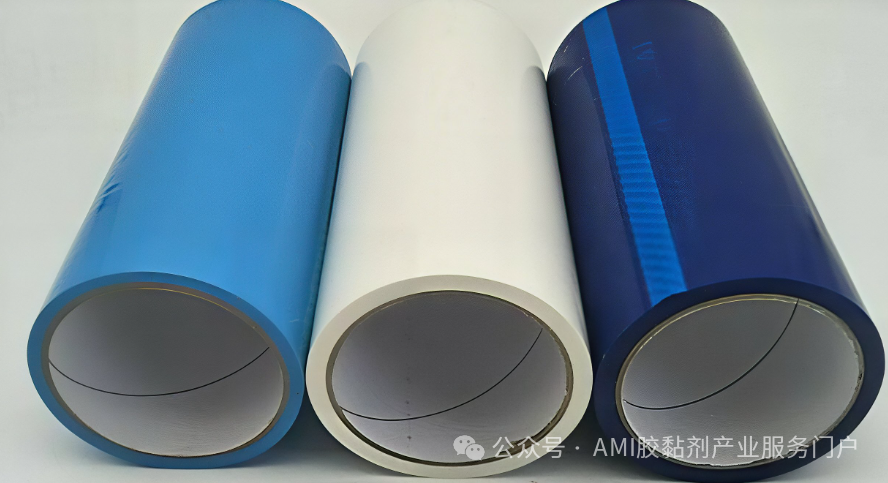
After leaving the factory, white goods such as refrigerators and air conditioners undergo long-distance transportation. During transit, internal shelves, air ducts, movable panels and other components may shift and vibrate, colliding with one another and causing scratches or damage. To prevent this, MOPP film-based temporary fixing tapes are widely used in the industry to secure these components in place. Simple as these tapes may look, they place stringent requirements on pressure-sensitive adhesives (PSAs). The adhesive must remain firmly bonded under transportation vibrations, yet peel cleanly from the substrate without adhesive tearing or residue transfer onto appliance surfaces, including plastic housings and PP and PE components. Meanwhile, during high-speed coating, rewinding and die-cutting, it must deliver stable processing performance, with no adhesive oozing, stringing or adhesive buildup on cutting blades. Achieving this balance starts with selecting the right SBS grade and optimizing the adhesive formulation. Today, let's take a closer look at high-stiffness, high-cohesion SBS and its applications in various adhesive solutions. Many appliance housings and internal components are made of low-surface-energy plastics such as PP and PE, which are inherently difficult to bond. Unlike conventional label adhesives or soft foam double-sided tapes, transit fixing tapes serve a different purpose. They do not require an extremely soft adhesive layer or high elongation. Instead, their core performance requirements are high cohesive strength, adhesive layer stiffness and creep resistance. The key challenges are clear: During transportation: The adhesive must withstand long-distance vibrations and stacking pressure without gradually slipping or shifting. During removal: The adhesive should peel cleanly from the substrate without adhesive tearing or residue transfer onto appliance surfaces. During manufacturing: High-speed coating, rewinding and die-cutting require stable processing performance. Stringing, adhesive oozing and adhesive buildup on cutting blades can reduce production efficiency and product yield. Improperly selected general-purpose SBS grades may lead to application failures. Insufficient cohesive strength can cause tape detachment during shipment, while poor internal cohesion may result in adhesive splitting and residue after removal, potentially leading to complaints from white goods manufacturers. SBS with high styrene content and high diblock content offers two key advantages: a stiff adhesive layer and high cohesive strength, contributing to excellent shear performance. When formulated into PSAs, this structure helps create a firmer adhesive layer that is less prone to softening and creep. Key processing advantages include: Controlled flow during high-speed coating: Helps reduce stringing and maintain consistent coating quality. Clean die-cutting: Helps minimize adhesive oozing, blade fouling and adhesive carry-over during waste stripping. Suitability for PP/PE substrates: Makes it a suitable material choice for applications involving low-surface-energy plastics, including MOPP-based appliance transit fixing tapes, depending on the overall adhesive formulation. These characteristics make high-styrene, high-diblock SBS suitable for applications requiring high cohesion, dimensional stability and clean removal. High-cohesion, high-stiffness SBS is also suitable for PSA systems designed for temporary positioning, clean removal and creep resistance. Its applications extend well beyond appliance transit fixing tapes. For tamper-evident security bags and PE courier bags, the key requirement is that the bag itself tears when opened, rather than the adhesive transferring or leaving residue. High cohesive strength helps maintain the integrity of the adhesive layer, allowing the bag substrate to tear preferentially during peeling and achieving the desired tamper-evident effect. This makes it suitable for PE film-based packaging applications, with stable processability on high-speed coating lines. This application focuses on lightweight positioning rather than soft, highly compressible foam lamination or applications involving large deformation. In electronic cushioning and positioning components, foam pads need to remain securely in place over time without slipping or creeping. Clean edges after die-cutting are also essential. High-cohesion SBS-based PSAs can provide a suitable solution for these lightweight positioning applications in the electronic materials industry. High-speed printing lines often require temporary splicing of coated paper, PP synthetic paper and PE films. The adhesive needs sufficient stiffness without excessive flow or penetration. It must also resist stringing during high-speed processing and allow clean removal after splicing, without leaving adhesive marks or contaminating printed graphics. After extrusion, plastic pipes and profiles may require temporary bundling and fixing during online handling and subsequent storage. Under stacking pressure, the bundled materials may shift or slip if the adhesive lacks sufficient creep resistance. PSAs formulated with high-cohesion SBS can help maintain secure positioning while allowing relatively clean removal at a later stage. They are also suitable for high-speed rewinding and die-cutting processes. Customers sometimes confuse SBS with hydrogenated SBC grades such as SEBS and SEPS. Understanding their different characteristics helps with material selection. High-styrene, high-diblock SBS: Offers a balance of adhesive stiffness and cohesive strength, making it suitable for applications requiring controlled tack, controlled open time, shear resistance and good processability. Depending on the formulation, it can also provide fast grab bonding. SEBS and SEPS: As hydrogenated SBC materials, they generally offer better aging and weathering resistance, along with improved low-temperature flexibility. They also show good compatibility with hydrogenated tackifier resins, making them suitable for adhesive films and precision bonding applications requiring elasticity, cushioning, durability and environmental resistance. Ultimately, selecting the right SBC grade depends on the target application, adhesive formulation, processing conditions and required end-use performance.1. What Makes White Goods Transit Fixing Tape So Challenging?
2. Why Choose High-Styrene, High-Diblock SBS?
3. Beyond Appliance Fixing Tape: Other Established Applications
1. Tamper-Evident Adhesives for Courier Bags and Security Envelopes
2. Single-Sided Positioning Adhesives for PE Foam Components
3. Splicing and Positioning Tapes for the Printing Industry
4. Bundling and Fixing Tapes for PP/PE Pipes and Plastic Profiles
Additional Note: SBS vs. SEBS vs. SEPS in Adhesive Applications