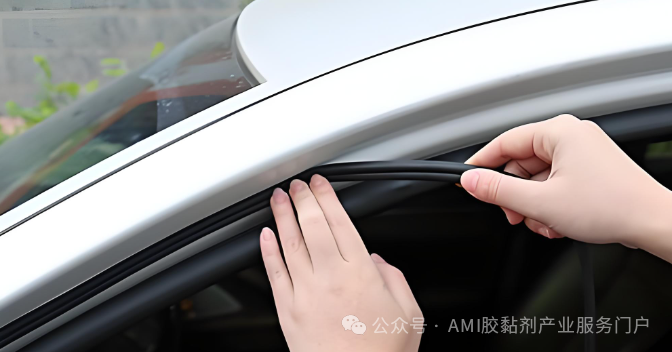
Keywords: adhesive film; SEBS SEBS-based adhesive films are widely suitable for long-term outdoor service, precision bonding and other applications owing to their low VOC content and excellent weathering and aging resistance. The core of material selection lies in combining the film’s hardness, elasticity, thickness and application conditions with key parameters of SEBS, such as molecular structure (linear / star), styrene content and molecular weight. The detailed selection scheme is as follows: I. Selection of adhesive films with medium hardness, high elasticity and fatigue resistance Such adhesive films are used in dynamic stress applications such as automotive weatherstrips, requiring a good balance of elastic recovery and fatigue resistance. SEBS with low styrene content (10%–15%) and star-shaped structure shall be preferred. The star-shaped structure features high molecular chain entanglement density and low compression set (≤5%), which can effectively resist fatigue damage caused by long-term vibration of weatherstrips. Meanwhile, high flowability ensures uniform coating of the adhesive film and strong bonding to rubber and metal substrates. The low styrene content further reduces VOC emissions, complying with environmental standards for automotive interiors. II. Selection of low-hardness, ultra-thin adhesive films These adhesive films are mainly used in precision applications such as cushioning and bonding of electronic components, requiring thin thickness (5–20 μm) and excellent flexibility. SEBS with medium-low styrene content (15%–20%) and linear structure is recommended. Linear SEBS exhibits high molecular chain regularity and excellent melt flowability, enabling easy processing into ultra-thin adhesive films without fisheye defects. Medium-low styrene content provides low hardness (Shore A 20–35), which cushions vibration during the operation of electronic devices while avoiding damage to precision components, making it suitable for high-speed automated coating processes. III. Selection of high-rigidity adhesive films for multi-substrate bonding These adhesive films are designed for bonding low-load structural components such as PP/ABS plastics, requiring improved bonding strength and weather resistance. SEBS with high styrene content (25%–30%), moderate polarity and linear structure is adopted. High styrene content enhances the rigidity and modulus of the adhesive film to meet the strength requirements for structural component bonding. Moderate polarity reduces the interfacial tension with non-polar PP and polar ABS, improving compatibility with multiple substrates. In addition, the linear structure ensures good processing stability, preventing yellowing and cracking of the adhesive film during long-term outdoor use. IV. Selection of adhesive films with high temperature creep resistance and high holding power These adhesive films are designed for harsh applications such as the lapping of outdoor waterproof membranes, requiring resistance to severe environments including high temperature and humidity. SEBS with high molecular weight and star-shaped structure is selected. High molecular weight provides the adhesive film with excellent high-temperature creep resistance, preventing adhesive flow and delamination under high summer temperatures (above 80℃). The strong molecular chain entanglement of the star-shaped structure can improve holding power, ensuring long-term sealing at the joints of waterproof membranes. Meanwhile, its aging resistance can resist erosion from ultraviolet rays and rainwater, thus extending the service life of the adhesive film.