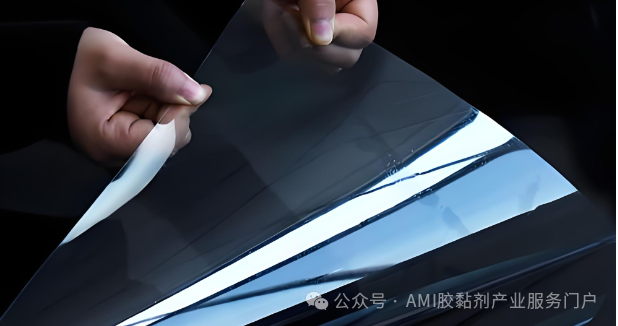
In premium surface protection applications, including decorative panels, stainless steel sheets, acrylic materials, and high-end leather, self-adhesive films have evolved far beyond basic scratch protection. Today, high transparency, invisible protection performance, and long-term weather resistance have become key factors that define the performance value of advanced protective films. However, conventional self-adhesive films may encounter challenges such as insufficient transparency, yellowing during storage, haze formation, outdoor aging, loss of flexibility, and adhesion failure over time. These issues are often related to improper substrate selection and unsuitable elastomer system design. This article discusses the material selection principles and formulation strategies for self-adhesive films from two key perspectives: high transparency requirements and long-term weather resistance requirements. 1. High-Transparency Self-Adhesive Films: Creating an “Invisible Protection” Effect For applications such as high-gloss panels, stainless steel surfaces, acrylic sheets, and premium leather protection, maintaining the original appearance of the protected material is critical. The key performance requirements include: High transparency Low haze Excellent surface clarity Low migration characteristics Stable adhesion performance 1.1 Substrate Material Selection Principles The substrate layer typically adopts a combination of mLLDPE and optimized LDPE modification. mLLDPE as the Main Component mLLDPE provides: Fine crystalline structure Uniform crystallization behavior Excellent optical transparency Improved resistance to haze formation These characteristics help maintain the clear appearance required for premium protective film applications. Low Melt Index LDPE as a Processing Modifier A controlled amount of low melt index LDPE can be incorporated to: Improve melt flow behavior Enhance extrusion stability Support smoother film formation To maintain high optical performance, the use of coarse fillers and conventional additives that may cause crystal points or uneven light transmission should be carefully controlled. 1.2 Reference Formulation Concept for High-Transparency Adhesive Layers For applications requiring high transparency, low migration, and premium surface protection, a high-purity adhesive system can be considered: Diblock SEPS: 40–48 phr Hydrogenated hydrocarbon resin: 25–32 phr mLLDPE: 22–30 phr Antioxidants + low-migration transparent wax: 1.0–2.0 phr Note: The above formulation ranges represent a typical design concept. Actual formulation optimization depends on film structure, processing conditions, adhesive layer design, and specific end-use requirements. 1.3 Cost-Optimized Transparent Film Solutions For general transparent protective film applications: SEPS systems can be modified with an appropriate amount of high-viscosity naphthenic oil to improve processability and optimize cost efficiency. When extreme transparency requirements are not necessary, diblock SEBS can provide a more economical solution with balanced performance. 2. Weather-Resistant Self-Adhesive Films: Improving Long-Term Stability For outdoor exposure, temperature fluctuations, and extended storage conditions, protective films require stable performance over time. Conventional films may experience yellowing, haze formation, loss of flexibility, peeling, or adhesion reduction due to environmental aging. Weather-resistant self-adhesive films achieve improved durability through optimized substrate design and the use of saturated elastomer systems. 2.1 Key Factors for Weather-Resistant Substrate Design Important approaches include: Optimized Polymer Structure Reducing the proportion of conventional LDPE and optimizing the substrate formulation can improve aging resistance and long-term stability. UV and Thermal Oxidation Protection The combination of: Hindered Amine Light Stabilizers (HALS) UV absorbers Antioxidant systems helps improve resistance against UV exposure and thermal oxidation. Improved Long-Term Durability A properly designed system can enhance resistance to: Embrittlement Powdering Loss of adhesion Environmental aging 2.2 Long-Term Weather-Resistant Adhesive System For premium weather-resistant applications, a stabilized high-purity adhesive system can be designed: Diblock SEPS: 40–48 phr Hydrogenated hydrocarbon resin: 25–32 phr mLLDPE: 22–30 phr Antioxidants + low-migration transparent wax: 1.0–2.0 phr 2.3 Economic Weather-Resistance Solutions For indoor applications or projects with moderate weathering requirements, diblock SEBS can provide a balanced combination of: Weather resistance Processing performance Cost efficiency 3. Key Material Selection Logic for Self-Adhesive Films High Transparency + Long-Term Weather Resistance + Premium Applications SEPS is often selected for high-performance protective film applications due to its saturated structure, excellent optical properties, low migration characteristics, and improved aging resistance. Standard Transparency + General Durability + Cost Optimization SEBS provides a practical solution for conventional protective film applications where balanced performance and cost efficiency are required. Substrate Design Principle Premium protective films generally require carefully optimized PE substrate systems, typically based on mLLDPE with appropriate LDPE modification, to achieve better transparency, processing stability, and durability. DZBH SEBS & SEPS Solutions for Self-Adhesive Film Applications DZBH provides high-performance SEBS and SEPS elastomer solutions for self-adhesive film applications. With application expertise and technical support, our team can assist customers with: Elastomer grade selection Formulation optimization Application evaluation Trial testing support For more information about SEBS/SEPS solutions for protective film applications, please contact our technical team.