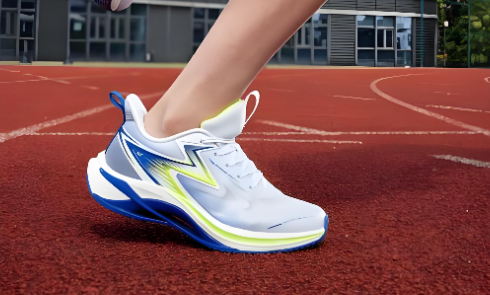
Key words: Shoe sole; BR; SBR; SSBR BR (Polybutadiene Rubber) and SBR (Styrene-Butadiene Rubber) are common base materials for shoe sole production, yet each has inherent performance limitations. SSBR (Solution Polymerized Styrene-Butadiene Rubber) boasts excellent comprehensive properties and good compatibility with BR and SBR. Adding SSBR to the formulation can targeted address and compensate for the aforementioned limitations, optimize the overall performance of shoe soles, and meet the requirements of different shoe styles. I. Adding SSBR to BR Shoe Sole Formulations Core Advantages of BR Soles: Excellent elasticity and high wear resistance, making them suitable for soles requiring wear resistance and good rebound performance. Shortcomings of BR Soles: Poor wet skid resistance and insufficient processing stability, with deformation prone to occur during production, which impairs the qualified rate of finished products. Key Formulation Points: Add 15%~30% SSBR and combine with silica reinforcement; this can precisely address the shortcomings of BR soles — improving wet skid resistance and processing stability while retaining the inherent high elasticity and wear resistance of BR. Applicable Scenarios: Outsoles of running shoes and basketball shoes (requiring high-frequency bending, skid and wear resistance to withstand complex stress during sports). Ⅱ. Adding SSBR to Emulsion-polymerized SBR Shoe Sole Formulations Core Advantages of Emulsion-polymerized SBR Soles: Low cost, excellent processability and easy molding, making them suitable for mass production. Shortcomings of Emulsion-polymerized SBR Soles: Poor elastic recovery and insufficient flex resistance, leading to easy fatigue and cracking after long-term wear, and a short service life. Key Formulation Points: Add 20%~40% SSBR for synergistic vulcanization with SBR; this can significantly improve the elastic recovery and flex resistance of the soles, reduce wear fatigue, extend the service life of the soles, while preserving the advantages of low cost and easy processability. Applicable Scenarios: Midsoles/outsoles of mid-range casual shoes and training shoes (focusing on wearing comfort and durability with a good balance of cost performance). The addition ratio of SSBR shall be tailored to the requirements of different shoe styles – an excessive amount will increase the cost, while an insufficient amount fails to achieve the desired modification effect. The dosage of silica needs to be properly controlled to balance the reinforcing effect with the lightweight property of the sole.