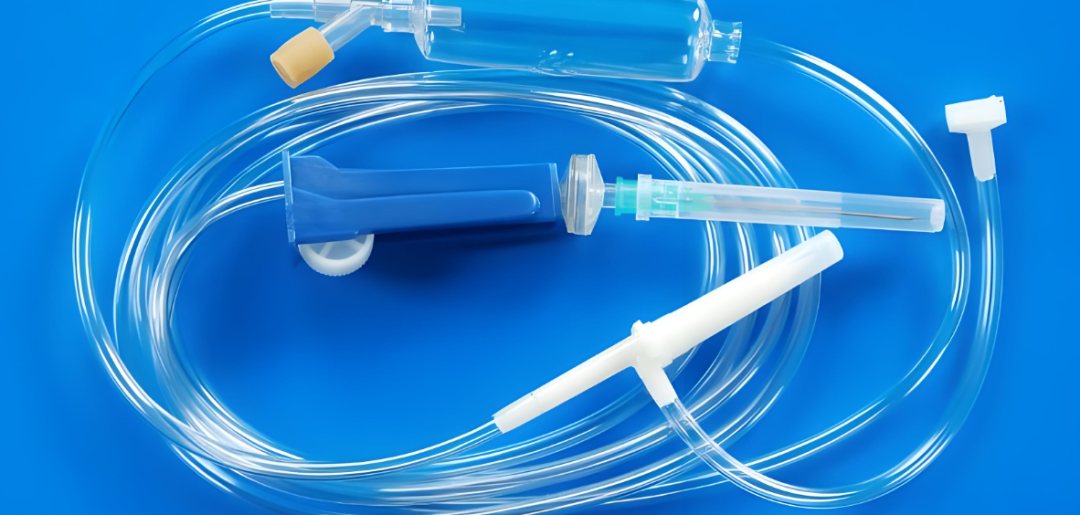
Keywords: Medical device; Infusion set; Catheter; Medical film; SEBS Medical-grade SEBS for direct human contact must strictly comply with the ISO 10993 biocompatibility standards and the GB/T 1688 specifications for medical polymer materials. Linear and star-shaped SEBS exhibit distinctly different performance focuses due to their molecular structure differences, and the core principle for selection is to match the processing technology and application scenarios of medical consumables. I. Linear Medical-Grade SEBS Linear medical-grade SEBS features low styrene content and high fluidity. With a linear molecular chain structure and moderate entanglement degree, it integrates high elasticity, excellent mechanical support, and processability. It can be adapted to conventional injection molding and extrusion processes without complex formula adjustments, making it a core selection for general medical elastomers. This type of grade is mainly used in human-contact medical components requiring high elasticity and mechanical support, such as the outer layer of medical infusion/drainage catheters, tourniquets, soft handles of surgical instruments, medical sealing stoppers, and cushion pads of rehabilitation equipment. Its low styrene content reduces material irritation, and high fluidity ensures molding precision. The mechanical support performance meets the anti-tensile and anti-deformation requirements of components during use. Meanwhile, it has passed biocompatibility certification, causing no irritation when in direct contact with human skin and mucous membranes, and complies with the requirements of medical-grade non-toxicity and low extractables. II. Star-shaped Medical-Grade SEBS Star-shaped medical-grade SEBS is featured by low styrene content and relatively low fluidity, with a highly branched molecular chain structure. Though its inherent fluidity is poor, it boasts prominent advantages of low extractables, high cleanliness, high transparency and few crystal dots, making it an exclusive selection for medical film consumables and a key material to meet the high cleanliness requirements of infusion bags, sterile packaging and other products. This type of grade is mainly used for film forming and high-cleanliness precision medical consumables in contact with the human body, such as medical non-PVC infusion bag films, blood transfusion bag films, sterile medical device packaging films, surgical gown composite films, and precision infusion set sealing films. Consumables related to medicinal liquids and blood that are in indirect contact with the human body have extremely high requirements for cleanliness and low extractables. The low volatile content and crystal dot-free properties of star-shaped SEBS can prevent contamination of medicinal liquids or adverse human reactions, while its high transparency meets the observation requirements during the use of consumables. For the problem of insufficient fluidity, it can be optimized by blending with medical-grade PP or appropriately increasing the processing temperature, without affecting the molding precision and product performance. III. Selection Summary For general medical elastomers manufactured via injection molding/extrusion that require high elasticity, mechanical support and ease of processing, linear medical-grade SEBS with low styrene content and high fluidity is the preferred choice. For high-cleanliness precision medical consumables produced by film forming that demand low extractables, high transparency and no crystal dots, star-shaped low-styrene medical-grade SEBS is the preferred choice, and its fluidity can be improved by blending with PP or increasing the processing temperature.