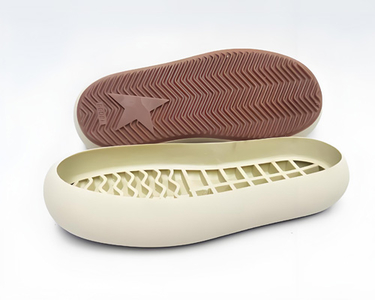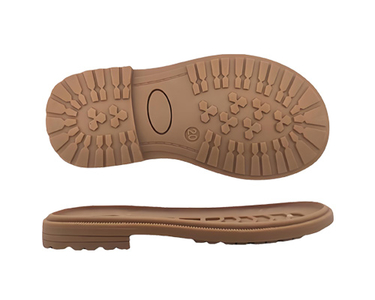
TPR (thermoplastic rubber) shoe soles offer comfort, durability, traction, and eco-friendliness, making them an ideal choice for shoemakers. They provide a custom fit, withstand wear and tear, offer superior grip, and are recyclable.
SBS and SEBS, types of Styrene Block Copolymers (SBC), are crucial in adhesives and sealants due to their versatile properties. SEBS, with higher strength and temperature resistance, is made by hydrogenating SBS. The market faces shifts due to technological advancements and competition from alternate materials.
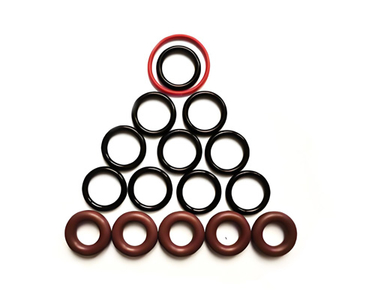
HNBR, a hydrogenated form of NBR, offers enhanced resistance to heat, chemicals, abrasion, oils, and greases. It finds wide applications in automotive, oil and gas, aerospace, and manufacturing. However, it's unsuitable for UV exposure and certain chemicals like acetic or hydrochloric acid.
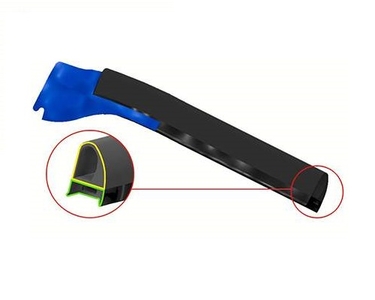
Discover Kraiburg TPE's cutting-edge TPE compounds tailored for automotive applications, featuring enhanced adhesion to EPDM and exceptional UV and weathering resistance.
Henkel's Adhesive Technologies unit is committed to achieving carbon neutrality and increasing renewable energy usage by 2030 through investments in technology and sustainability projects.
This article delves into the uses of virgin and recycled SBS (styrene-butadiene-styrene) in various industries, highlighting their environmental impacts. It also compares SBS with SEBS (styrene-ethylene-butadiene-styrene) and introduces Gianeco as a supplier of recycled SBS.
SEBS/PP-blended TPE is ideal for automotive interior skins due to its elasticity, weather resistance, and eco-friendliness. An experiment examined its formula's impact, finding SEBS/PP ratio significantly affects mechanical properties, fluidity, and wear resistance. Increasing PP content improved mechanical performance within a range, but higher filling oil content increased stickiness and decreased abrasion resistance. Optimal performance was with a SEBS ratio of 30/70 and linear/star-shaped SEBS ratio of 70/30.
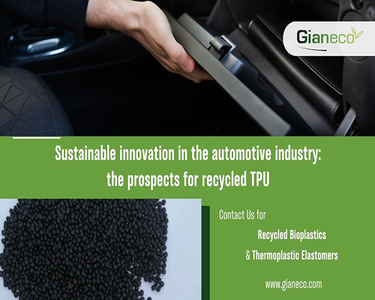
The automotive industry is advancing towards sustainability by incorporating recycled materials like thermoplastic elastomers (rTPU) into manufacturing processes. This article discusses the adoption of rTPU for automotive components, focusing on its environmental advantages and initiatives from key players such as Toyota, Audi, and Volkswagen.
Discover the promising future of the styrene-butadiene-styrene (SBS) block copolymer market, driven by the increasing demand for sustainable materials across various industries. This article explores the growing adoption of SBS block copolymers and the key trends driving market expansion.
Discover Elastogeo, Gianeco's recycled TPEs, offering sustainability across industries.
TPR (thermoplastic rubber) soles offer superior comfort, slip resistance, durability, and design flexibility, making them a preferred choice in footwear for manufacturers and consumers.
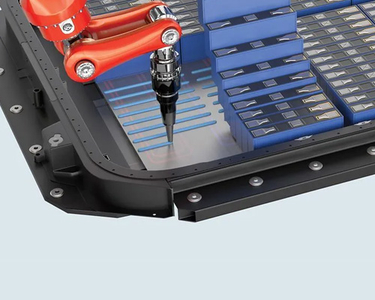
Henkel Adhesive Technologies introduces Loctite TLB 9300 APSi, an injectable thermally conductive adhesive, to address challenges in EV battery manufacturing. With high thermal conductivity and structural bonding capabilities, it enhances battery system performance while promoting sustainability.