
The Low Molecular Weight SEBS market anticipates 8.6% annual growth from 2024 to 2031, emphasizing cost control and efficiency. Major players include Kraton, Dynasol, Eni, and Kuraray.
May 21, 2024
The Low Molecular Weight SEBS market anticipates 8.6% annual growth from 2024 to 2031, emphasizing cost control and efficiency. Major players include Kraton, Dynasol, Eni, and Kuraray.
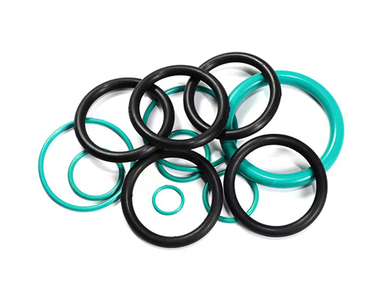
In April 2024, US HNBR prices fell due to decreased demand from the automotive and aerospace sectors, despite higher feedstock costs.
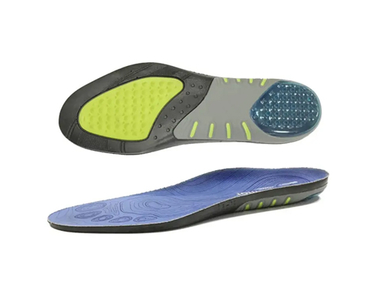
The Thermoplastic Elastomers for Footwear Market is projected to reach USD xx.x billion by 2031, with a CAGR of xx.x% from 2024 to 2031, up from USD xx.x billion in 2023. This market study provides a detailed analysis of product specifications, technology, and production.

The global Hydrogenated Nitrile Rubber (HNBR) market is set to grow significantly from 2024 to 2032, driven by strategic moves by key players. The market is expected to expand due to rising demand in the automotive, oil, and other industries.
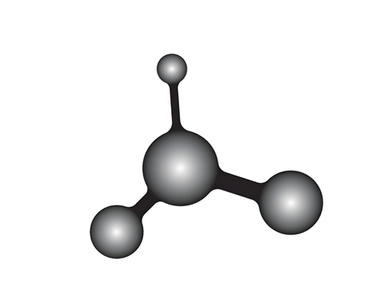
The Styrenic Block Copolymer (SBC) Market is projected to grow from USD xx.x billion in 2023 to USD xx.x billion by 2031, at a CAGR of xx.x%. Key types include SBS, SIS, and HSBC, used in adhesives, sealants, and bitumen modification. Major players are Kraton and Dynasol. North America and Europe lead in market growth.
The Thermoplastic Elastomers (TPE) Market is projected to grow from USD 26.36 billion in 2021 to USD 37.85 billion by 2028, at a CAGR of 5.12%. Growth is driven by demand in automotive, electronics, industrial, medical, and consumer goods sectors. Key players include BASF SE and DuPont. The Asia Pacific region is expected to dominate the market.
Henkel will showcase its innovative EV battery solutions at the Battery Show Europe 2024 in Stuttgart from June 18-20. Highlights include debondable adhesives for battery recyclability, advanced modeling and simulation capabilities, and a live showcase of its new Battery Engineering Center.
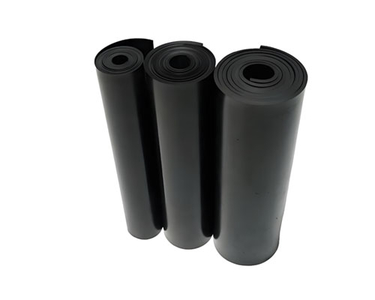
The Styrene Butadiene Rubber (SBR) Based Adhesive Market, valued at USD 4.29 billion in 2019, is projected to grow to USD 6.28 billion by 2031, with a CAGR of 4.9% from 2024 to 2031. SBR adhesives are widely used in pressure-sensitive tapes and flooring applications due to their durability and resistance to water, compounds, and abrasion.
Henkel Adhesive Technologies will showcase sustainable adhesive and coating innovations at drupa 2024, focusing on circularity and carbon footprint reduction. Highlights include adhesives designed for recyclability and bio-based options. Expert talks and partner collaborations will also be featured.

The hygiene adhesives market is set to grow significantly from 2024 to 2032, driven by rising hygiene awareness and increased sales of diapers and sanitary products. Key players include Arkema, DowDuPont, H.B. Fuller, Henkel, and Bostik.
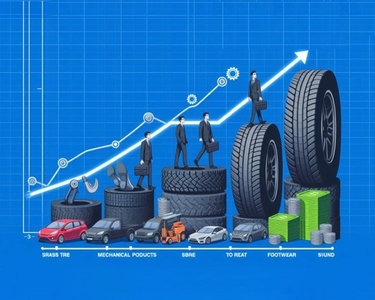
The SBR and SSBR markets are driven by the tire industry, especially in China. SSBR is growing at 4.5% CAGR due to eco-friendly tires. Key players include Sinopec, CNPC, and Bridgestone.
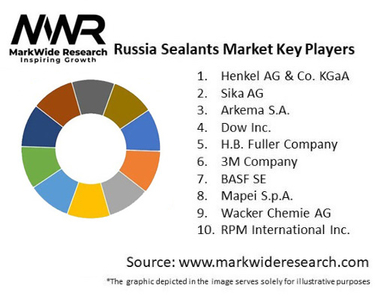
The Russia sealants market involves the production and distribution of sealant products for construction, automotive, industrial, and consumer goods. The market is driven by growing construction activities, increasing automotive demand, and the need for effective sealing solutions.