Discover the uses and characteristics of hot melt adhesives (HMAs) and hot melt pressure sensitive adhesives (HMPSAs). Learn about their application in various industries, composition, and factors influencing their selection.
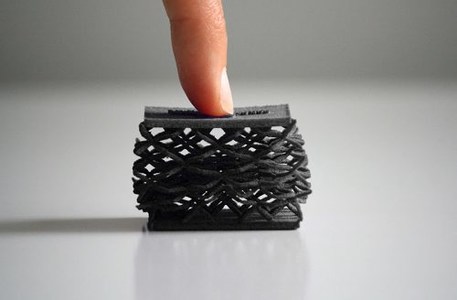
Thermoplastic elastomers (TPEs) and thermoplastic polyurethanes (TPUs) are popular materials for 3D printing, offering flexibility and durability. TPEs are softer and more flexible, while TPUs are more rigid. Both have advantages and disadvantages, with TPEs being less expensive and easier to recycle, and TPUs offering better chemical resistance and dimensional stability. Alternatives include thermoplastic copolyester (TPC), silicone elastomers, and thermoplastic styrene (TPS) for TPE, and polylactic acid (PLA) and polyether block amide (PEBA) for TPU.
The Thermoplastic Rubber (TPR) market is growing due to high demand in automotive, construction, and footwear industries. Key players like Kraton Polymers, DOW Chemical, and BASF lead innovations. Trends focus on advanced, sustainable TPR compounds.
The global rubber compound market, valued at USD 10.47 billion in 2023, is projected to reach USD 12.124 billion by 2032, with a CAGR of 2.1%. Rubber compounds are essential in automotive, construction, footwear, and industrial applications due to their durability and resistance.
The global hydrogenated nitrile rubber (HNBR) market, valued at USD 473.5 million in 2022, is projected to reach USD 812.2 million by 2031, growing at a CAGR of 6.2%. HNBR offers enhanced resistance to chemicals and oil, driving its demand across automotive, construction, and oil & gas sectors. Despite COVID-19 impacts, the market shows resilience, particularly in the Asia-Pacific region.
Discover the benefits of TPE for sustainable yoga mats, offering flexibility, durability, and eco-friendliness. Learn why TPE is replacing PVC, its safety features, and how it provides the perfect balance of cushioning and grip for your yoga practice.
The global styrenic block copolymer (SBC) market is projected to reach USD 17.37 billion by 2045, growing at a CAGR of 5.3%. Growth is driven by the increased use of SBCs in construction, lightweight applications, and sustainable building practices. Rising raw material prices and energy costs are influencing market dynamics. Companies are enhancing R&D efforts and launching new products to meet growing demand.
The SBS market is growing due to demand in construction, automotive, and packaging. Key trends include eco-friendly products and increased healthcare use. Challenges include raw material price changes and regulatory issues. Asia-Pacific, especially China, leads growth.
The SBR-Based Adhesive Market, valued at USD xx.x Billion in 2023, is projected to reach USD xx.x Billion by 2031, growing at a CAGR of xx.x%. Growth drivers include technological advancements and sustainability trends.
In late April 2024, Belgian TPE prices rose by 1% due to an 11% increase in Styrene costs. Despite stable demand from the automotive and electronics sectors, shifts to hybrid vehicles have slightly impacted TPE demand.
Chinaplas 2024 concludes successfully with DZBH anticipating future reunions after engaging discussions and fruitful exchanges with domestic and international clients on technical challenges and industry trends.