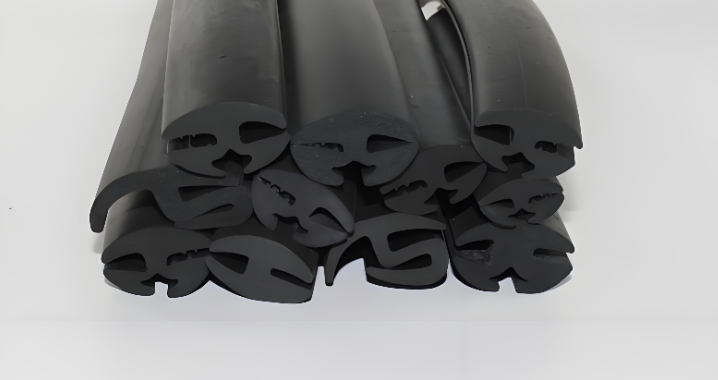
I. TPE Sealing Strip Application Fields Thanks to their eco-friendly and non-toxic nature, weather and aging resistance, soft feel, easy processing, and recyclability, SEBS-based TPE sealing strips are widely used in automotive doors and windows, home appliance sealing, building curtain walls, rail transit, electronic devices, daily necessities, and other fields. They are gradually replacing traditional rubber and PVC sealing strips, becoming the mainstream material for mid-to-high-end sealing products. II. Core Performance Requirements by Application Automotive sealing strips: resistance to high and low temperatures, weather and UV resistance, ozone resistance, compression set resistance, oil resistance, dimensional stability, low odor. Home appliance sealing strips: eco-friendly and non-toxic, yellowing resistance, good sealing rebound, low temperature resistance, hydrolysis resistance, dry non-tacky surface. Building sealing strips: weather and aging resistance, UV resistance, high elasticity, compression set resistance, waterproof, long-term durability. Rail transit sealing strips: high weather resistance, high rebound, flame retardant, low smoke and non-toxic, resistance to high and low temperatures, deformation resistance. Electronics/daily necessities sealing strips: soft touch, tear resistance, eco-friendly and odorless, easy to mold, uniform surface gloss. III. Formulation Components and Their Effect on Performance Standard TPE sealing strip formulation system: SEBS + paraffin oil + calcium carbonate + PP/PE + tackifying resin + additives + color pigment. SEBS: determines elasticity, rebound, weather resistance, strength, and feel. Paraffin oil: softens, lowers hardness, improves flowability, and improves processability; excessive amounts tend to bleed out and become tacky. Calcium carbonate: lowers cost, improves rigidity and dimensional stability; excessive amounts cause brittleness and reduced elasticity. PP (base resin): improves strength, heat resistance, and processing flowability; affects hardness and compression set. Low melt index PE: improves toughness, low-temperature brittleness resistance, and surface smoothness; only a small amount is needed. Additives: antioxidants/light stabilizers improve aging resistance; lubricants improve extrusion; flame retardants meet rail transit requirements. Color pigment: heat resistant, migration resistant, and weather resistant, without affecting material performance. IV. Common SEBS Grade Selection YH-602T (star-shaped SEBS): 35% styrene content, moderate flowability, good elasticity, excellent compression set; suitable for general-purpose sealing strips in automotive, home appliance, and building applications, with high overall cost-effectiveness. YH-604T (star-shaped SEBS): 33% styrene content, higher strength, better weather resistance, and better compression set resistance; suitable for high-end automotive, rail transit, and long-term outdoor sealing strips. V. Typical Application Formulation Design 1. General-purpose automotive sealing strip SEBS 602T: 30 parts; paraffin oil: 50 parts; ground calcium carbonate: 20 parts; PP: 8 parts; antioxidant + light stabilizer: 1 part. Features: weather resistant, good rebound, low compression set, low odor; suitable for car door, sunroof, and trunk seals. 2. Home appliance sealing strip SEBS 602T: 28 parts; paraffin oil: 48 parts; light calcium carbonate: 18 parts; PP: 6 parts; low melt index PE: 2 parts; antioxidant: 0.8 parts. Features: eco-friendly and non-toxic, yellowing resistant, dry surface, not brittle at low temperatures; suitable for refrigerators, washing machines, and air conditioners. 3. Outdoor building sealing strip SEBS 604T: 32 parts; paraffin oil: 45 parts; ground calcium carbonate: 25 parts; PP: 9 parts; weather resistance additive: 1.2 parts. Features: high weather resistance, UV resistant, resistant to long-term compression, waterproof and durable; suitable for door, window, and curtain wall seals. 4. Rail transit high-weather-resistance sealing strip SEBS 604T: 35 parts; paraffin oil: 42 parts; flame-retardant calcium carbonate: 20 parts; PP: 8 parts; flame retardant + weather resistance additive: 2 parts. Features: high weather resistance, low smoke and flame retardant, high rebound, deformation resistant; meets carriage and gangway sealing requirements. VI. Core Principles of Formulation Design Hardness adjustment: controlled by increasing or decreasing paraffin oil; more oil makes it softer, less oil makes it harder. Strength and heat resistance: adjusted through PP; more PP means higher strength and better heat resistance. Toughness and low-temperature performance: a small amount of low melt index PE improves brittleness resistance and toughness. Weather resistance and service life: 604T outperforms 602T; combined with weather resistance additives to achieve long-term stability. Cost control: moderately increase calcium carbonate content while ensuring performance is maintained.